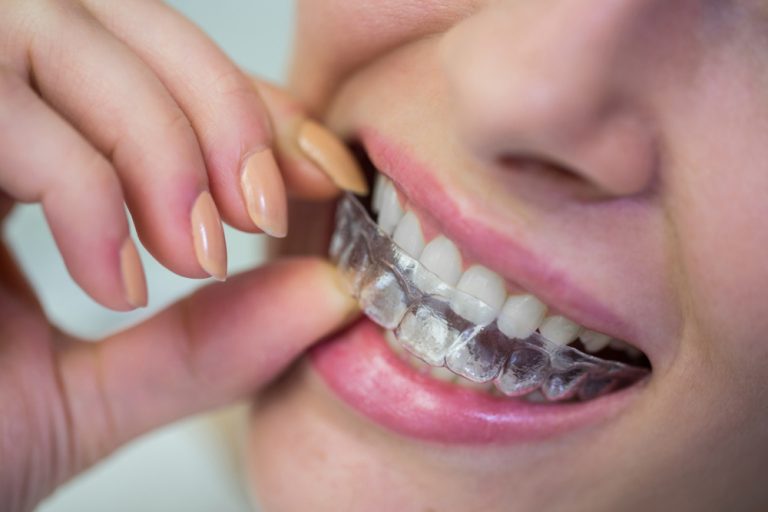

Bulk billing dentists are very limited in Melbourne because Medicare does not generally cover routine dental treatment for adults. Most private dental clinics do not bulk bill, and patients usually pay for their treatment unless they qualify for public dental services, the Child Dental Benefits Schedule (CDBS) or another government-funded dental program.
Many people assume that a Medicare card automatically covers dental treatment, but this is one of the biggest misconceptions about dental care in Australia. This guide explains what is actually covered, who may be eligible and what options are available if you are looking for affordable dental treatment in Melbourne.
Table of Contents
ToggleDoes Medicare Cover Dental Treatment?
Medicare does not cover most routine dental treatment for adults.
Services such as dental check-ups, professional cleans, fillings, crowns, root canal treatment and dental implants are generally not covered by Medicare. Patients usually pay privately or claim benefits through their private health insurance if they have extras cover.
There are only a small number of exceptions where Medicare contributes towards certain dental services, and these usually relate to specific medical conditions or approved hospital procedures rather than routine dental care.
Are There Bulk Billing Dentists in Melbourne?
Bulk billing dentists are uncommon in Melbourne because routine dental treatment is not funded through Medicare.
Unlike GP appointments, where Medicare bulk billing is common, dental clinics cannot generally bulk bill standard dental services. If you visit a private dentist, you should usually expect to pay for your treatment unless you qualify for a government-funded program.
When people search for a “bulk billing dentist”, they are often looking for one of the following:
- Public dental clinics
- Child Dental Benefits Schedule providers
- Community health dental services
- Clinics offering payment plans
- Low-cost dental clinics
These options are very different from Medicare bulk billing.
Who Can Access Public Dental Care in Victoria?
Public dental care in Victoria is available to eligible people who meet certain criteria.
In general, adults may qualify if they hold an eligible Health Care Card or Pensioner Concession Card. Eligible children, concession card holders and other priority groups may receive reduced-cost or free treatment through public dental services, although waiting lists can apply.
Priority groups may include:
- Health Care Card holders
- Pensioner Concession Card holders
- Eligible dependants
- Aboriginal and Torres Strait Islander people
- Refugees and asylum seekers
- People experiencing financial hardship
- Some people receiving disability or mental health support services
Eligibility requirements may change, so it is always worth checking with your local public dental provider.
What Is the Child Dental Benefits Schedule (CDBS)?
The Child Dental Benefits Schedule is a government program that helps eligible children receive basic dental treatment.
Eligible children can receive funding for many common dental services, including:
- Dental examinations
- Professional cleaning
- Dental X-rays
- Fissure sealants
- Fillings
- Tooth extractions
- Root canal treatment on eligible teeth
The program has benefit limits over a two-year period, and not every child qualifies. A local dentist can usually check eligibility before treatment begins.
What Dental Treatments Usually Require Private Payment?
Most dental treatment provided by private dentists is paid by the patient.
Common treatments that are generally not covered by Medicare include:
- Dental check-ups
- Professional cleans
- Fillings
- Tooth extractions
- Wisdom tooth removal
- Root canal treatment
- Dental crowns
- Dental bridges
- Dental implants
- Veneers
- Teeth whitening
- Invisalign and braces
Private health insurance may help reduce your out-of-pocket costs if your policy includes dental extras cover.
Does Private Health Insurance Cover Dental Treatment?
Private health insurance may contribute towards dental treatment if your policy includes extras cover.
The amount you receive depends on several factors, including:
- Your level of cover
- Annual benefit limits
- Waiting periods
- The type of treatment
- Whether your dentist is a preferred provider
Major treatments such as crowns, implants and orthodontics often have different limits from general dental services.
Before starting treatment, it is worth checking your available benefits with your health fund.
Are Payment Plans Available?
Many private dental clinics offer payment plans to help patients spread the cost of treatment.
Depending on the clinic, payment options may include:
- Interest-free finance
- Weekly repayments
- Fortnightly repayments
- Monthly payment plans
Payment plans can make larger treatments such as crowns, orthodontics or dental implants more manageable without delaying necessary care.
Can Delaying Treatment Cost More?
Delaying dental treatment often leads to higher treatment costs later.
A small cavity may only require a simple filling if treated early. If treatment is delayed, the decay may spread deeper into the tooth and require more complex procedures such as root canal treatment, a dental crown or even tooth extraction.
Regular dental examinations help identify problems before they become more expensive to treat.
How Can You Reduce Your Dental Costs?
You can reduce your dental costs by preventing dental problems and seeking treatment early.
Helpful ways to keep treatment costs down include:
- Attend regular dental check-ups.
- Brush twice daily with fluoride toothpaste.
- Floss every day.
- Limit sugary food and drinks.
- Treat small dental problems before they become larger.
- Check whether you qualify for government-funded dental programs.
- Review your private health insurance benefits each year.
Preventive care is usually the most affordable approach to long-term dental health.
When Should You See a Dentist?
You should book a dental appointment if you experience:
- Tooth pain
- Sensitive teeth
- Bleeding gums
- Swollen gums
- A broken tooth
- Loose teeth
- Persistent bad breath
- Difficulty chewing
Seeking treatment early often reduces both the complexity and the cost of treatment.
Final Thoughts
Bulk billing dentists are not common in Melbourne because Medicare does not generally cover routine dental treatment for adults. While some people qualify for public dental services or the Child Dental Benefits Schedule, most patients receive dental care through private clinics and pay either directly or through private health insurance.
If you are unsure whether you qualify for government-funded dental care, speak with your dentist or your local public dental provider before booking treatment. Understanding your options can help you receive the care you need while avoiding unexpected costs.