Bali is famous for its beaches, temples, and cultural richness, but beyond its tropical charm lies a towering volcanic giant Mount Agung elevation Known as the spiritual and geographic heart of Bali, Mount Agung captivates adventurers, pilgrims, and nature enthusiasts alike. One of the most asked questions about this iconic mountain is its elevation. Understanding Mount Agung’s height, geographical significance, and climbing challenges can help travelers and hikers better appreciate its majesty.
Table of Contents
ToggleWhat Is Mount Agung?
Mount Agung is an active volcano located in the eastern part of Bali. Rising dramatically above the surrounding landscape, it is not only the highest point on the island but also holds immense cultural and spiritual significance. Balinese Hindus consider Mount Agung sacred, as it is home to Pura Besakih, Bali’s largest and holiest temple, often called the “Mother Temple.”
The volcano is a central feature in Bali’s geography, shaping the island’s climate, fertile soils, and natural beauty. Its volcanic eruptions over the centuries have created dramatic landscapes, black lava fields, and fertile agricultural areas.
Mount Agung Elevation
The elevation of Mount Agung is 3,031 meters (9,944 feet) above sea level, making it the tallest mountain in Bali. Its towering height dominates the eastern horizon and can be seen from many parts of the island, including popular tourist areas like Ubud and Kintamani.
Mount Agung’s elevation makes it a challenging climb, attracting trekkers and hikers from around the world. The hike to the summit typically takes 5–8 hours, depending on the route, weather, and pace, and is often combined with a sunrise hike for an unforgettable experience.
Significance of Mount Agung’s Elevation
The impressive elevation of Mount Agung contributes to both its natural and cultural importance:
1. Spiritual Importance
The height of Mount Agung symbolizes a connection between the human and spiritual realms. Many Balinese Hindus believe that the summit is the home of gods, making pilgrimages to the mountain a sacred journey. The elevation and its prominence over Bali’s landscape reinforce its status as a spiritual icon.
2. Climatic and Ecological Impact
Mount Agung’s elevation affects local weather patterns, creating cooler temperatures in its highlands and fertile volcanic soils in the surrounding areas. This allows for diverse flora and fauna and supports agriculture in nearby villages. The higher altitude also provides unique ecosystems, including moss-covered forests and alpine vegetation not found in Bali’s lowlands.
3. Adventure and Tourism
For hikers and adventurers, Mount Agung’s elevation presents a physical challenge and reward. Reaching the summit requires endurance and preparation, but the panoramic views from over 3,000 meters provide a sense of accomplishment and breathtaking perspectives of Bali’s coastline, lakes, and surrounding mountains.
Climbing Mount Agung
Mount Agung’s elevation makes it a demanding but rewarding climb. Hikers should consider several factors before attempting to summit:
Difficulty Level
The trail to the top of Mount Agung is steep, rocky, and, in some sections, requires scrambling over boulders. Climbers need to be physically fit and prepared for sudden weather changes, as the high elevation can make temperatures drop significantly, especially at night.
Best Time to Climb
The ideal climbing season is during Bali’s dry season, from April to October, when trails are less slippery, and visibility is better. Early morning hikes are popular for sunrise views, but climbers should start very early (around 2–3 AM) to ensure they reach the summit in time.
Safety Considerations
Given Mount Agung’s active volcanic status, climbers must check for recent volcanic activity and follow official warnings. Local guides are highly recommended for safety, navigation, and insights into the mountain’s spiritual and ecological significance.
Routes to the Summit
Several routes allow hikers to ascend Mount Agung, each offering different experiences depending on the starting point and terrain:
- Pura Besakih Route – The most spiritual path, starting from the Mother Temple area, combining cultural significance with adventure.
- Pasar Agung Route – A steeper, more direct trail popular among experienced hikers looking for a challenging climb.
- Pura Pasar Agung via Rendang Route – A less crowded route offering scenic views and moderate difficulty.
Each trail’s difficulty is influenced by Mount Agung’s elevation, with the last 500–800 meters being the most physically demanding due to steep, rocky slopes.
Views from the Summit
Reaching the summit of Mount Agung is a reward in itself. At 3,031 meters, hikers can enjoy:
- Panoramic views of Bali’s eastern coastline
- Stunning vistas of Mount Batur and its caldera
- Sunrise casting golden light over rice terraces and villages
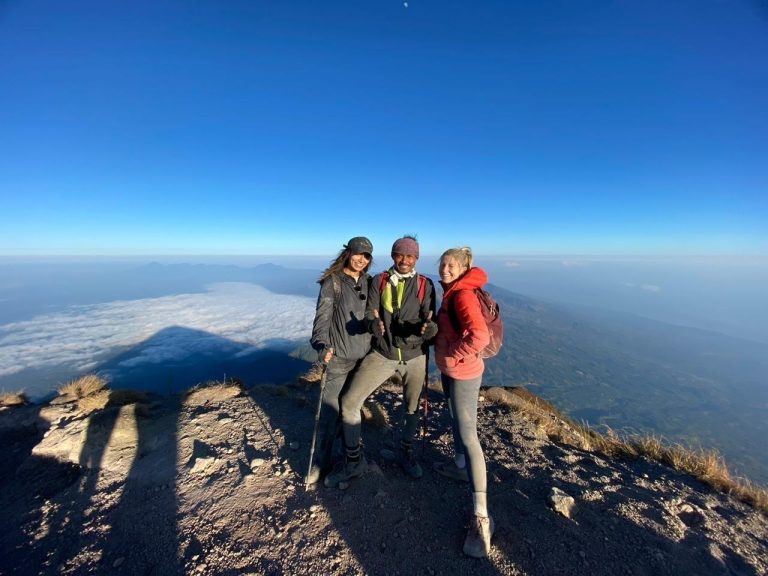
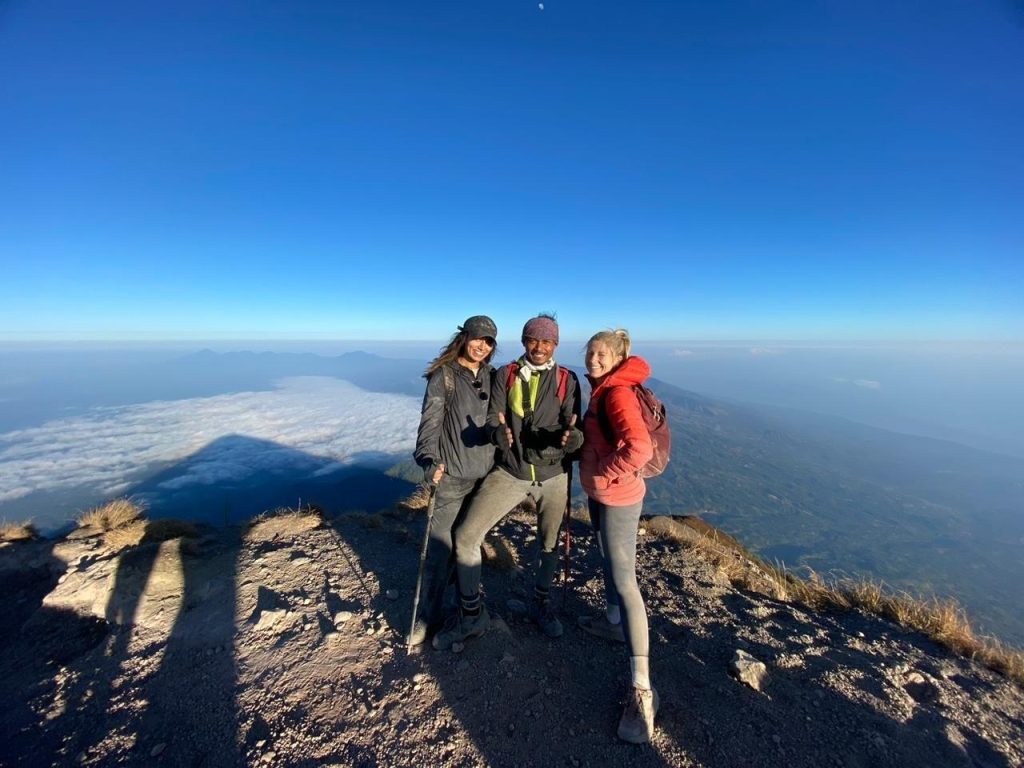
- Clouds rolling beneath the summit on clear mornings, creating a surreal, otherworldly experience
The high elevation provides a vantage point unmatched elsewhere on the island, making the climb both challenging and incredibly fulfilling.
Cultural and Spiritual Experience
Mount Agung’s elevation is not just a physical feature—it’s deeply intertwined with Balinese culture. Pilgrims often climb parts of the mountain to reach temples for prayer and offerings. The mountain is considered sacred, and many locals believe that volcanic activity is influenced by spiritual energy. Understanding the cultural significance adds depth to the adventure, making it more than just a hike.
Tips for Hikers
For anyone planning to climb Mount Agung, consider these tips:
- Hire a Local Guide – For safety, navigation, and cultural insight.
- Prepare for Altitude – High elevation can cause fatigue and shortness of breath; pace yourself.
- Bring Proper Gear – Headlamps, hiking boots, layered clothing, and enough water are essential.
- Check Volcanic Activity – Mount Agung is active; always follow government and local advisories.
- Start Early – Sunrise hikes require early starts to ensure a timely and safe ascent.
Conclusion
The elevation of Mount Agung elevation standing at 3,031 meters (9,944 feet), makes it the tallest and one of the most significant mountains in Bali. Its height contributes to its cultural, spiritual, and ecological importance while providing one of the most challenging and rewarding adventures on the island.
Whether you are a hiker seeking adventure, a spiritual traveler exploring Balinese culture, or a nature lover wanting panoramic views, Mount Agung’s elevation offers an unforgettable experience. Proper preparation, respect for local customs, and awareness of safety guidelines will ensure that climbing or exploring this majestic volcano is both safe and memorable.
From breathtaking sunrises over Bali’s volcanic landscape to the spiritual journey of its temples, Mount Agung’s towering elevation truly defines the heart and soul of Bali.